Source Outdoor Pet ID Necklace for dogs, cats, and small animals
Compare 30 listings for Outdoor Pet ID Necklace options made from metal and stainless steel. Buyers can evaluate features like waterproofing, customization, and attachment types for dogs, cats, and small animals with varying sizes and styles.
Key considerations
Products List
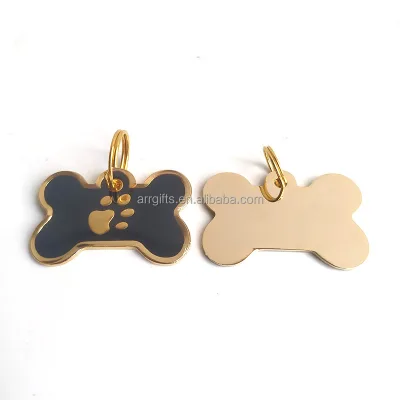
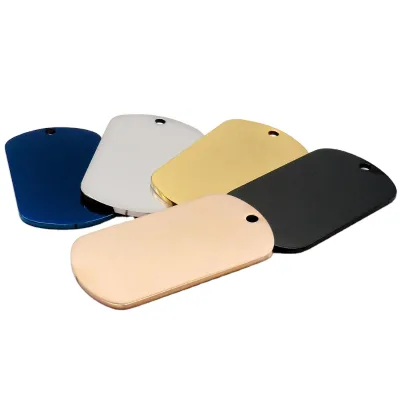


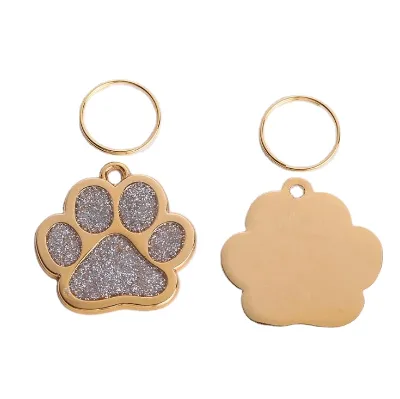
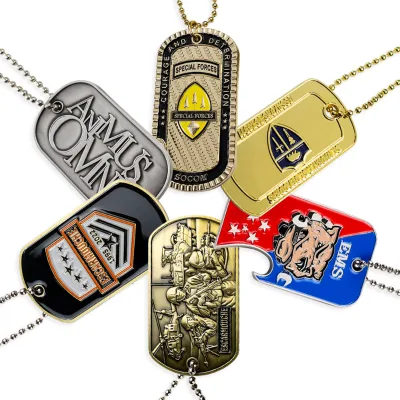
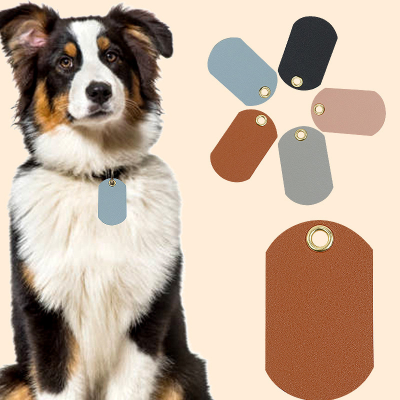
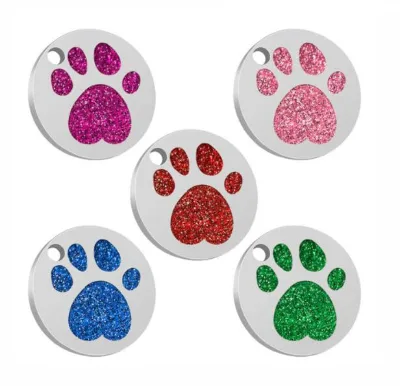
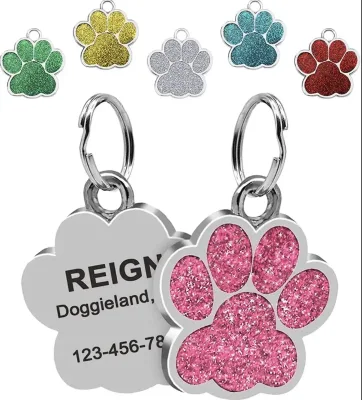
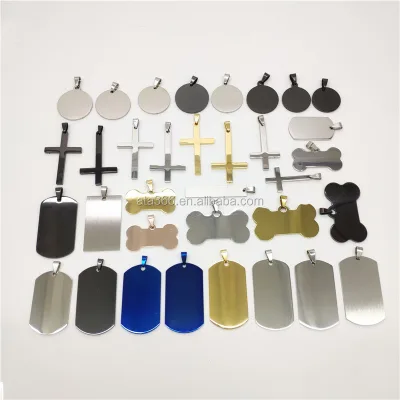
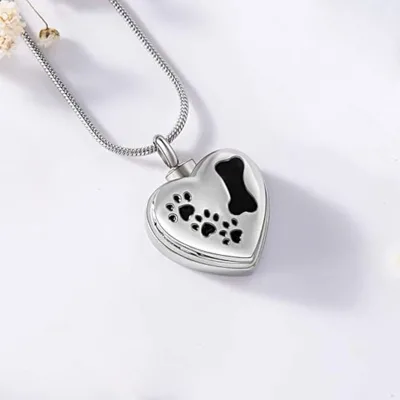
Factory Price Custom Metal Stainless Steel Necklace Pet Name ID Printing Dog Tag
$0.50 - $1.00
MOQ: 300 Pieces





Comprehensive Sourcing Guide
Strategic Sourcing Guide for Outdoor Pet ID Necklaces
Procuring outdoor pet id necklaces requires a nuanced understanding of the intersection between durable metal fabrication, safety compliance, and supply chain reliability. The market for these accessories is vast, ranging from simple stamped metal tags to complex, personalized jewelry-style collars. Buyers must navigate a landscape where product attributes vary significantly between suppliers, even when the core keyword remains identical. This guide provides a disciplined approach to evaluating potential suppliers, analyzing technical specifications, and ensuring that the final product meets the rigorous demands of outdoor use while adhering to safety standards.
Understanding Technical Specifications and Material Integrity
The foundation of a successful procurement strategy lies in the precise definition of technical specifications. When sourcing outdoor pet id necklaces, the material composition is the primary determinant of longevity. The available market data indicates a prevalence of metal-based products, with specific observations noting Stainless Steel and general Metal construction. For outdoor applications, the choice between these materials is critical. Stainless steel offers superior resistance to corrosion, rust, and the elements, making it the preferred choice for pets that frequently engage in water activities or live in humid climates. Conversely, general metal tags may require additional plating to achieve similar durability.
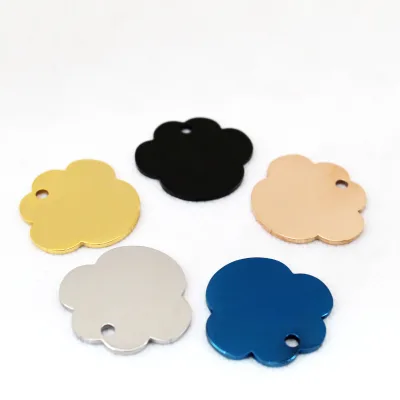
Plating is another essential technical attribute to verify. The observed data highlights Gold plating as a common finish. While aesthetically pleasing, buyers must understand that plating is a surface treatment that can wear off over time, especially with the friction caused by outdoor movement. The thickness of the plating and the quality of the base metal are factors that are rarely disclosed in standard product listings but must be clarified during supplier negotiations. Additionally, the manufacturing technique plays a significant role in the product's structural integrity. Observed techniques include Die Cut and Plated processes, which suggest a stamping or cutting method that creates the tag shape before finishing.
Size and dimension specifications also vary widely in the market. Listings show dimensions ranging from compact sizes like 39x26.18mm to larger variants such as 48x32mm or even 50x28mm. Some products are listed as "One Size," while others offer a range of XS, S, M, L, and XL. For outdoor use, the size must be balanced against the pet's collar size and the visibility required for identification. A tag that is too small may be difficult to read, while one that is too large may snag on vegetation or equipment. The single package size, observed at 4.8x3.2x0.2 cm for some items and 10x6x4 cm for others, provides insight into the bulkiness of the final product and its potential for snagging.
Compliance, Certification, and Safety Verification
While the product listings for pet id necklaces often emphasize aesthetic and functional features, the compliance landscape is equally critical, particularly for products intended for outdoor use where pets are unsupervised. Buyers must verify that the materials used do not contain harmful substances such as lead, cadmium, or nickel, which can be toxic if ingested or cause allergic reactions. Although specific certification numbers are not provided in the general product data, the expectation for international markets is that these products adhere to standards such as ASTM F963 (Standard Consumer Safety Specification for Toy Safety) or EN71, which often serve as benchmarks for pet accessory safety.
The "Outdoor" aspect of the keyword introduces specific environmental compliance considerations. Products exposed to rain, snow, and UV radiation must maintain their structural integrity and finish. The observed features of "Waterproof" and "Coldproof" suggest that some suppliers claim resistance to these elements. However, buyers should treat these as observations rather than guaranteed performance claims without third-party testing data. It is prudent to request material safety data sheets (MSDS) or specific test reports regarding corrosion resistance and heavy metal content.
Furthermore, the origin of the product is a significant factor in compliance. The majority of observed products originate from Guangdong, China, or generally China. While this region is a global hub for manufacturing, buyers should ensure that the specific factory has a track record of exporting to their target market and adhering to the import regulations of that region. For instance, the European Union has strict regulations regarding the chemical composition of products, and the United States has specific labeling requirements. Verifying that the supplier is familiar with these regional requirements is a vital step in the evaluation process.
Cost Drivers and Pricing Dynamics
The pricing structure for outdoor pet id necklaces is influenced by a complex interplay of material costs, customization levels, and order volume. The observed price range in the market spans from $0.05 to $6.22 USD, indicating a wide disparity in value propositions. The lower end of this spectrum typically corresponds to simple, non-customized metal tags with basic plating and standard packaging. The higher end reflects products with advanced customization, such as laser engraving, complex die-cutting, or premium finishes like gold plating.
Material costs are a primary driver. Stainless steel is generally more expensive than base metals, and the thickness of the metal sheet directly impacts the unit cost. Additionally, the complexity of the design, such as the "Animal" or "Round" patterns observed, can increase manufacturing time and cost. Customization is another significant cost factor. While some suppliers offer "Custom" colors and designs, others may have a "No" customization option, which usually results in lower unit prices but less flexibility for the buyer.
Order volume also plays a crucial role in pricing. The observed Minimum Order Quantity (MOQ) ranges from 1 to 5000 units. Suppliers often provide tiered pricing, where the unit cost decreases as the order volume increases. Buyers must balance the need for inventory against the upfront capital required. Small order quantities, such as those accepted by some suppliers, allow for testing the market with lower risk but come at a higher per-unit cost. Conversely, large orders of 5000 units may offer significant savings but require a larger initial investment and efficient storage solutions.
Typical Applications and Use Case Analysis
The application of outdoor pet id necklaces extends beyond simple identification. The observed data indicates a broad range of use cases, including "Cat, Dog, Small animals," and specific applications like "Training Collars." The versatility of these products allows them to serve multiple functions, from basic identification to tracking and decorative purposes. For outdoor enthusiasts, the primary application is ensuring that a lost pet can be identified and returned safely. This requires the tag to be durable enough to withstand the rigors of hiking, swimming, and rough terrain.
The "Personalized" feature is a key application driver for many buyers. Customization allows pet owners to include specific contact information, medical alerts, or unique identifiers that are not available on standard tags. This is particularly important for outdoor pets that may wander far from home. The "Tracking" function mentioned in the product attributes suggests that some tags may be designed to work with tracking systems or have specific shapes that facilitate easier scanning.
Additionally, the "Holiday" and "Season" attributes highlight the decorative aspect of these products. Tags designed for "Christmas," "All Holidays," or specific seasons like "Spring & Autumn" are often purchased as gifts or for seasonal events. While these tags may be less functional for heavy-duty outdoor use, they serve a vital role in pet owner engagement and brand visibility. Buyers should consider the intended use case when selecting products; a tag designed for a holiday may not have the same durability as a tag designed for daily outdoor wear.
Supplier Evaluation and Selection Criteria
Selecting the right supplier is a critical step in the procurement process. The observed data reveals that suppliers vary in their capabilities, with some offering "OEM & ODM" services and others focusing on standard products. Buyers should prioritize suppliers that demonstrate flexibility in customization and have a clear track record of meeting delivery timelines. The "Delivery time" of 14-16 days is a standard benchmark observed in the market, but buyers should verify if this is consistent or if it varies based on order volume and customization requirements.
The "Brand Name" attribute shows a mix of established brands like "ASNY" and generic options like "GH or Custom." While branded products may offer a perception of higher quality, custom-branded options allow buyers to build their own brand identity. Buyers should evaluate the supplier's ability to handle branding requests, including logo placement, packaging design, and labeling. The "Packing" method, observed as "1pc/opp bag," is a standard practice, but buyers should discuss options for bulk packaging or custom branding on the packaging itself.
Quality control is another essential criterion. Buyers should inquire about the supplier's internal quality assurance processes, including how they handle defects, returns, and product consistency. The "Single gross weight" of 0.015 kg to 0.200 kg indicates a range of product densities, which can affect shipping costs and handling. Suppliers that provide detailed weight and dimension specifications are more likely to have robust quality control systems in place.
Quality Control and Long-Term Procurement Considerations
Ensuring consistent quality is paramount for long-term procurement success. Buyers should implement a rigorous quality control plan that includes pre-production samples, in-process inspections, and final random inspections. The "Technique" of Die Cut and Plated processes requires careful monitoring to ensure that the edges are smooth and the plating is even. Any defects in these areas can lead to product failure or safety issues.
Long-term procurement considerations also involve building a sustainable relationship with the supplier. Buyers should look for suppliers that offer "Small Orders" as a starting point, allowing for a phased approach to scaling up. This reduces the risk of over-investing in inventory before validating the product in the market. Additionally, the "Customization" availability should be leveraged to create unique products that differentiate the buyer from competitors.
Finally, buyers must consider the environmental impact of their procurement choices. The "Galvanized" finish and "Stainless Steel" materials are generally more sustainable than base metals that require frequent replacement. By selecting durable, long-lasting products, buyers can reduce waste and improve the overall sustainability of their supply chain. The "Season" and "All Seasons" attributes suggest that products should be designed for year-round use, further emphasizing the need for high-quality, durable materials.
Conclusion
Sourcing outdoor pet id necklaces requires a comprehensive approach that balances technical specifications, compliance, cost, and supplier reliability. By carefully evaluating the material integrity, understanding the cost drivers, and implementing robust quality control measures, buyers can secure high-quality products that meet the demands of the outdoor market. The diversity of the market, from simple metal tags to personalized jewelry, offers ample opportunities for buyers to find products that align with their specific needs and brand values. Through disciplined evaluation and strategic planning, buyers can build a successful supply chain that delivers value to their customers while maintaining high standards of safety and quality.
FAQs
What materials are used for outdoor pet id necklaces?
The products are primarily made of metal or stainless steel. Some listings specify stainless steel for superior durability, while others use general metal with gold plating to resist corrosion during outdoor use.
Can I find custom outdoor pet id necklaces with specific sizes?
Yes, customization is available for colors, patterns, and shapes. Sizes vary from compact dimensions like 39x26.18mm to larger options, and some suppliers offer one-size or XS through XL ranges to fit different pets.
How long does it take to receive orders for these tags?
The standard delivery time is typically 14 to 16 days. This lead time applies to the manufacturing and shipping process, though it may vary depending on the specific order volume and customization requirements requested.
Which suppliers accept small order quantities for testing?
Many suppliers accept small orders, with minimums ranging from 1 to 5000 units. This flexibility allows buyers to test the market with low-risk quantities before committing to larger bulk purchases of metal tags.
What is the price range for metal pet identification tags?
The observed price range spans from 0.05 to 6.22 USD per unit. Costs vary based on material quality, plating thickness, and whether the tags are customized with specific designs or personalization features.
Where are these metal pet tags manufactured?
The majority of products originate from Guangdong, China, or generally China. This region is a known hub for manufacturing metal accessories, including tags with die-cut and plated finishes for various animal types.
Are these tags suitable for cats and dogs outdoors?
Yes, the tags are designed for cats, dogs, and small animals. They feature waterproof and coldproof attributes, making them durable enough for outdoor environments while serving as tracking or identification accessories.